Boston Comic-Con 2014 is in the books, and it was the biggest one yet, as thousands and thousands waited in lines for hours to get in, and as far as I could tell, everyone who passed by my table was having an amazing time. My League of Ordinary Gentlemen Podcast mates and I were able to spread the word to the masses, and even managed to record an episode during the madness that was the convention.

The one drawback for me was that I wasn’t able to sell as many copies of Robin Hood as I wanted. It’s obviously not about the money, and I can say with much pride that those that did buy a copy seemed to think it was pretty cool,so that’s awesome. But with the thousands and thousands of people there, I was hoping to move a few more. But I understand. It’s hard to compete for people’s entertainment dollars with that guy from Buffy.

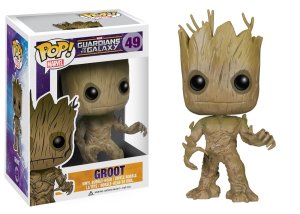
Here’s the funny thing; as happy as everyone is that all these comic book movies and TV shows are out there to soak up, there is a group of comic people who think that it’s not so good. These people think that these johnnie-come-lateleys don’t really understand, and will never understand, why this stuff really is cool, because to these newbies, it’s kind of just a fad. While I don’t agree with them, I do kind of understand their point, because on Saturday, I watched literally thousands of people walk by my table and not buy my little comic book. I kept thinking, “They don’t want this book they’ve never heard of.  They want a Groot action figure.” And who could blame them? Not me, certainly, because I myself purchased a Groot action figure!

I am Groot!

I am Groot!

But is it because of this market saturation that I didn’t sell more comics?  I don’t think so, because there is certainly enough room for all of us in the industry. But it does change the game somewhat.

Before you think I’m getting all sad panda, though, let me say that I did have a fun time, a lot was accomplished, and it was a tremendous learning experience. And let me say thanks to everyone who came by the Leaguepodcast table and a special thanks to those folks who I made “promise” to listen to the podcast in exchange for a grab bag of free comics. I’m gonna hold you to that!

16316_821150734584108_6484426344041128868_n

The guys and gal of the League!

I touched briefly on it in my last post, but as I am just a couple days away from manning the table at my first comic convention in almost ten years, I was thinking a lot about how much has changed over all those years, and how much hasn’t.

One aspect of the business that comes to mind is that, while it’s easier to make your comic these days, like I did with the help of Kickstarter and Print-On-Demand services and being able to find collaborators online, it is also harder to stand out from the thousands of other people who have done what I have. Years ago, when John Hunt and I were doing the Secret Monkey as a comic, there were a lot of independent comic creators, for sure, but we somehow managed to spread the word better by handing out bags with our own Mad Libs in them at conventions than I have in 2014 for Robin Hood with Facebook and Twitter. There’s just too much information out there for anyone to notice one comic book that is available in one store (and online!!!) Maybe I need to come up with Robin Hood Mad Libs.

Another thing that comes to mind is how creators get people to buy their comic.  The best sales tactic I can remember came form a gentlemen who created a book called My Monkey’s Name is Jennifer named Ken Knudtson. Ken would pour you a shot of Vodka if you bought his book, so I would naturally seek him out at every big con I went to back then, because how do you get through a con without a little sumpthin’. So, as you can see, it worked like a charm. I don’t even know if Ken is still making comics, but if so, I hope he’s coming to Boston this weekend!

But, if you’re someone who doesn’t want to hide a handle of vodka underneath your convention table, or can’t really afford to buy a handle of vodka for every convention, how do you get people who don’t know you to care and give you money for your book? No, really.  I need to know. Because even after our mad Lib wave died down, we tried selling books at cons, and I remember giving my pitch to people for long minutes, and they seem interested, and they flip through, then decide it’s not worth it and walk away. I’d rather you treated me like those protesters who are looking for you to sign their petition out on the street and run in the other direction than have me do my spiel for five minutes and then decide you don’t want the book.

There are different kinds of people who will buy it, though.  Some are banking on the fact that your book will become the next Walking Dead and they can send their kid to college because they have a signed first printing of Robin Hood #1. That is highly unlikely, of course, but hey, their money is good here. There are those who hear the spiel and genuinely think it’s a cool concept and decide it’s worth a read, and those people are really awesome in my book.

However, my favorites are those who know and love comics, and want to support the little people in the industry. They know how much work went into your book, and they want to show you their appreciation by forking over a few dollars, and hey, if they like it, they might seek out your second issue.  Those are my favorite because they come to the con with money in hand, and they are willing to spend it, and they are just about the least pretentious and unapologetic people you will ever meet. They just love this stuff and they appreciate what you are doing so much, that they will support you in any way they can.

photo 4 And thanks to you!!!!

One of my favorite convention-selling stories was at an independent comic expo, and my friend was approached by a creator who handed him a comic, saying, “Hey, check this out!” Thinking it was a free sample, my friend thanked him and started to put it in his bag, until the creator said, “Uh, that’s three dollars.” My friend then reluctantly took out his wallet and handed him the money. He’s a much nicer guy than me. It’s sad how little sympathy I have for my fellow creators sometimes.

But in all seriousness, I guess he felt like that was what he had to do, and that is part of the problem. How else do you get noticed? Personally, I am so fearful of being like that guy that I go completely to the other extreme and thus, have barely sold any copies of Robin Hood, with the exception of my Free Comic Book Day signing, where I was the only game in town that day.

This weekend, at Boston Comic-Con, I will be one of many. And as I know, that is both good and bad. let’s just hope this doesn’t happen again:

222306_6801267181_2637_n

It’s amazing that we’re only a couple weeks away from Boston Comic Con 2014, where my podcast-mates and I will be manning the League of Ordinary Gentlemen Podcast Booth, and I will be trying to sell copies of the first issue of Robin Hood to the unsuspecting masses. We will have other cool stuff for sale, too, but I will be concentrating most of my efforts on selling Robin Hood (sorry, Gents).

I’m telling people that this is my first convention as a salesman (or huckster, if you prefer), but the truth is I played this role back in the day when John Hunt and I were trying to sell copies of our positively-reviewed but poorly sold comic, The Secret Monkey. “SM” had gone through a couple different incarnations already – webcomic in 2000 before they were cool, printed version before you could print on demand, and a second printed version after we fell in with a shyster lawyer who claimed he could put us on the shelves everywhere, including Wal-Mart – and we had bought a table at Wizard World 2005 as a last gasp to try and make some sort of splash. I don’t recall the actual numbers, but when all was said and done, I’m pretty sure we lost money on the deal.

Dursin badge

Still, I got a little taste of what it’s like to get people interested, and have them tell you that it looks good, and actually pay you for your hard work. Unfortunately, I also got a taste for what it’s like to practically beg people to buy it, and you give them your whole five-minute sales pitch, and they look through it and seem interested, and then walk away.

But those people/losers were the exception.  I know I said I lost money, but that was only because I didn’t know what i was doing, and we had just sunk too much dough into it in the first place. Now, thanks to the kindness of my Kickstarter backers, and the wonders of technology, I don’t have to print hundreds of comics and hope that I can sell enough of them to break even.  And Wizard World wasn’t the only convention I did to promote SM. I did several tiny cons, as well.  The ones that don’t have celebrity guests and long lines.  The ones that just had guys selling old comics and Playboys (I’m not even sure those exist anymore.) Hell, I even included copies of The Secret Monkey as Kickstarter rewards, so I’m still trying to make money off that thing over a decade later.

But the business has changed. Now, it’s possible to make money, and Boston has become one of the bigger cons, at least on this coast. So, I’ve got my copies of Robin Hood, some swag, and my League buddies to help out, and help pass the time.  I’ll either make money, have fun, or maybe even both. So, one way or another, I think Dursin will come out ahead on this one.

10570543_706658816050546_4174508462552209238_n

SuperHeroStuff - Shop Now!

It Takes a Village…

Posted: July 10, 2014 in Uncategorized

You know how those Marvel movies always have that post-credit scene that makes you have to sit through ten minutes of names scrolling up the screen?  The ones that make me want to sit through the credits of every movie I see now, just in case Nick Fury is going to sow up and tell me about his team of super-heroes, even if it’s a comedy?  Is it just me, or was that a ploy to get us to watch the credits of movies so the thousands of digital effects artists get their due? (Semi-funny side-note: At my “real” job at Boston University, one of my tasks is to show films, and a professor once yelled at one of my work-study students because she shut off the film during the end credits.  The angry prof demanded she play the DVD again so that the credits could be shown and the artisans from craft services could be given their due credit, even though the room was now completely empty.) FB-Crew-credits   Anyway, that’s a lot of build-up for me to get to the point, which is that nothing is created in a vacuum.  Yeah, it’s a little annoying to sit through all those names, especially since we can all watch the post-credit scene on our phones while walking out of the theater.  But, look at all those names! And when you’re a grunt in the movie business, I’m sure that first credit is totally satisfying.  I never got one myself in my short stint in the biz, but I would have probably crapped my pants if I did. The same is true of most creative endeavors. Modern technology has changed a few things. An accomplished musician can now record a whole album in their mother’s basement and then send it out into the world digitally and go on Facebook and tell everyone to buy it.  They can do that because the technology exists, but the musician still has to know how to do it. In my own experience, I did self-publish a comic book,(nudge, nudge, wink, wink. Buy it at the link) but the “self” part is a little misleading, because a lot of people made it possible.  I hired an artist, a letterer and a colorist, and I asked/begged many friends to help out with the technical stuff, which I new very little about, even though I thought I did.  Not to mention that over a hundred people donated to the Kickstarter so I could afford to pay all these people.  And as I touched upon in my previous post, then I had to send all the rewards out and spread the word to try and sell more books, because no one is going to do that for you. (I know of what I speak; I sent out dozens of emails to websites who say they would review independent comics, and nary a response.) That’s really where the “self” part of “self-publishing” comes in, and that’s the hardest part, and that’s where having a logo for an established company in your cover’s corner box helps a lot. Still, the fact that I haven’t sold too many books does not take away from the accomplishment. Even though it took a lot of help, I’ve done something a lot of people before me have done, and I must remind myself that a lot of people have also not done it. Upon seeing the finished product, a friend of mine asked, “How did you even know how to do all that?” I didn’t even really have an answer for her.  I just knew.  Obviously, it would have helped if I could draw or color or letter a comic book, but at least I knew where to find the right people to do all that for me.  And I figured out along the way how many pixels each page needs to be and all that, because I didn’t take a class for that (although if there’s someone out there who I can pay to do that for me, too, I’d be all over that.) The bottom line is that, in the end, even one small comic book requires a lot of work by a lot of people, and all you can do is hope people like it. And if not?  In the words of Johnny Depp in Ed Wood: “Well, my next one will be better.”    


photo3

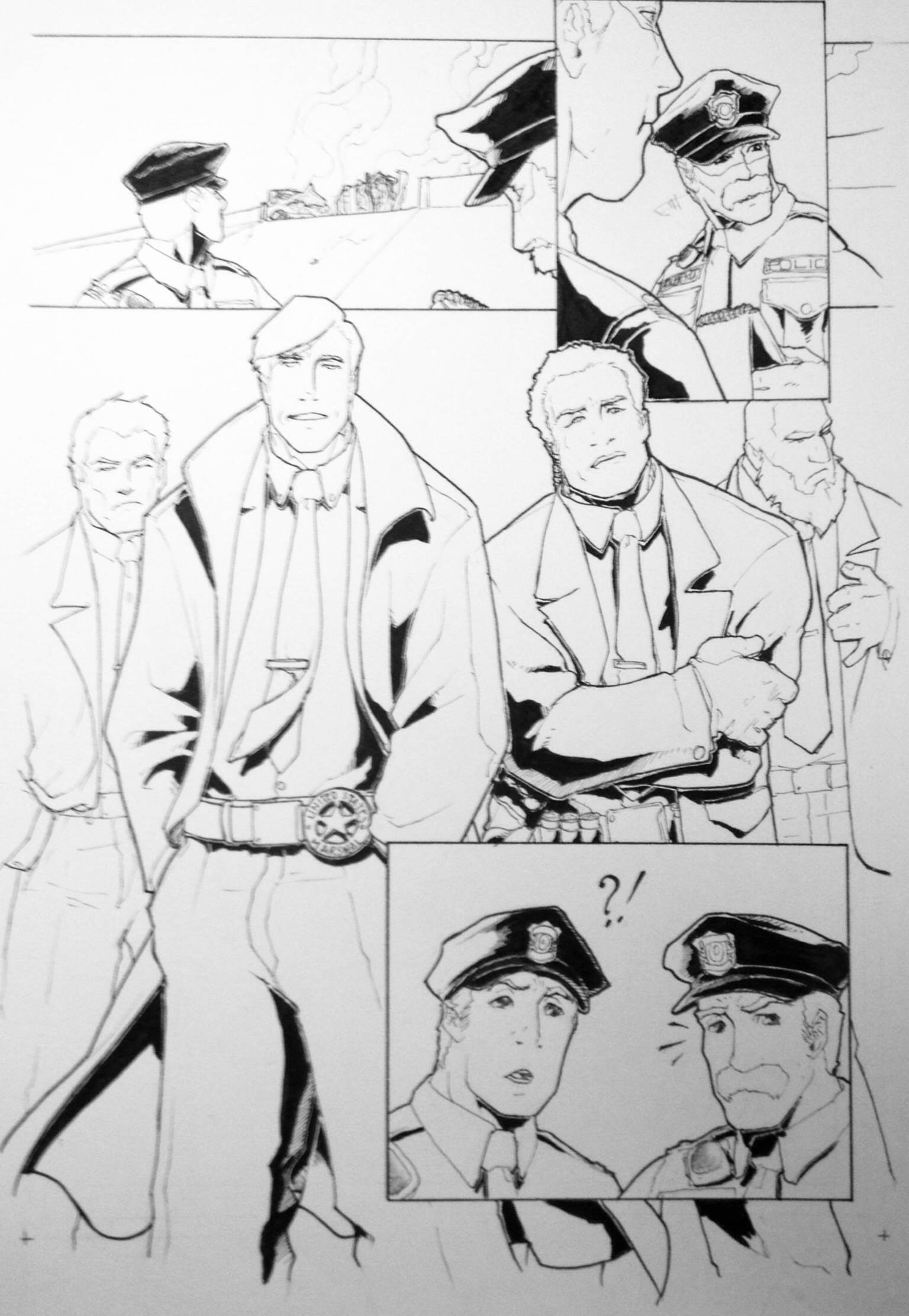
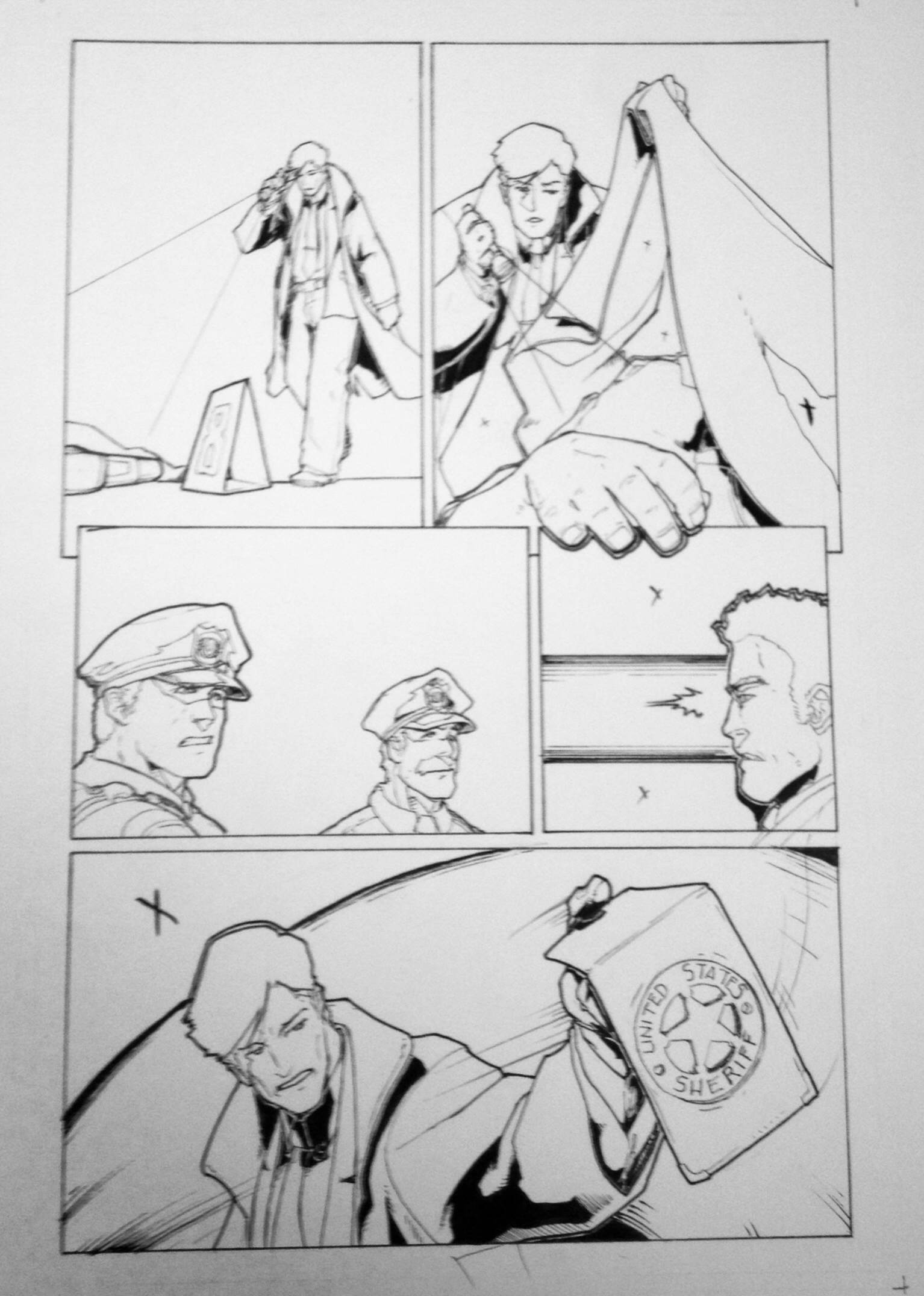
Robin Hood #2 preview art – Whole comic soon photo4

I have debated buying my own domain name for years, and pointing to my old Google blog, but financial reasons and the fact that I didn’t have a lot to say always deterred me from doing it.  Well, I finally went and did it (even though I still don’t have much to say.)  In case anyone was wondering what I’ve been up to lately, well, I went and did a crazy thing; I created a comic.  I was able to do with thanks mostly in part to the kindness of others.  Specifically by raising the money via Kickstarter.  One of those kindnesses was being allowed to hype the project on a website called Forces of Geek when I was asked to write a guest column chronicling my adventures in crowdfunding.  In case you missed it, I am re-posting here as the initial post on Mattdursin.com, just because I love you (and because I don’t have anything else to say.  Weren’t you paying attention?)  If you prefer, you can find the original here.
Enjoy!

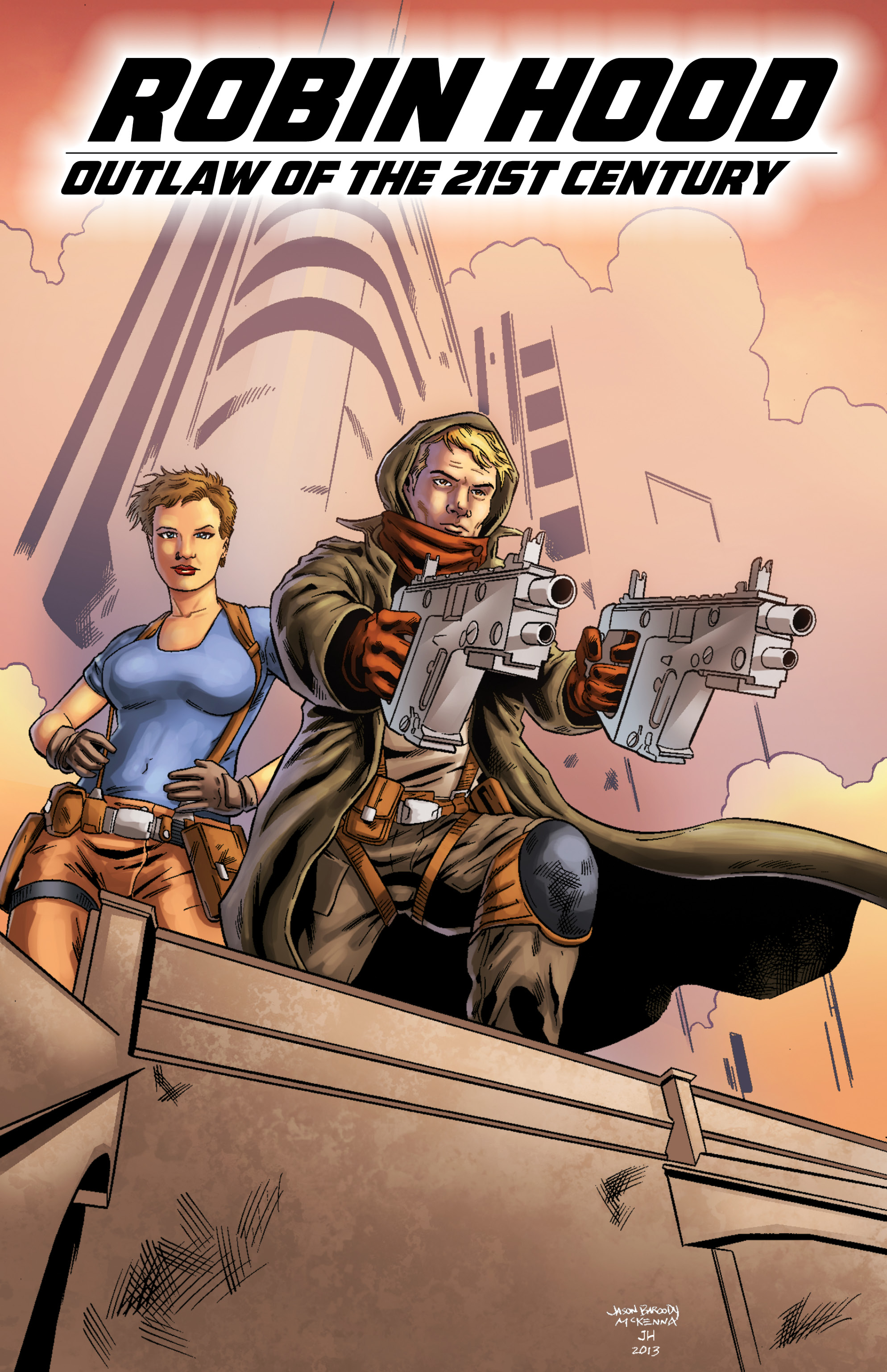
———————————————————————————————————————————————————– Kickstarting a Dream: Robin Hood: Outlaw of the 21st Century As far back as I can remember, or at least since that live-action Flintstones movie that almost ruined John Goodman’s career, I railed against Hollywood to make something original. Sure, once in a great while, something like Inception or Manos: Hands of Fate would come along and restore my faith, but mostly, a look at the top-grossing movies of all-time reveals that a lot of films are made from previously-created material.  Of course, take this all with a grain of salt, because it’s coming from a guy who likes a lot of comic book movies. Despite my cravings for original content in movies, in 2009 I came to find myself in a Comics Experience: Introduction to Comic Book Writing class, in which students were forced to pitch to teacher and former Marvel and IDW editor Andy Schmidt, an idea for a 5-page comic story on the very first day of class.  Using my vivid imagination and drawing on my long history of comic-reading, I came up with… an idea about a guy writing a comic book.  Andy quickly (but politely) cast that crap-tastic idea aside and urged me to have something better by the next class. Under the gun and not trying to sound like an idiot any more than I already had, I started to draw from a screenplay that I had been hammering away at for a while about a guy who lives in a small town and robs pharmacies and gives the medicine to the townspeople who can’t otherwise afford it. The idea came partially from my own dealings with the health-care system in this country (For the record, I never robbed a pharmacy.  Quite the opposite, in fact.) and from one of my favorite childhood stories, ever since the Disney animated adaptation: the story of Robin Hood.  So, not quite as original as I had hoped.  Then again, there are supposedly only 36 dramatic situations. Armed with this inspiration, I hammered out my five pages, to rave reviews from my classmates and even Andy himself.  Upon finishing the class, several of us decided to get our stories illustrated and combine them into an anthology book (appropriately titled Out of Our Minds: Tales from the Comics Experience.). Seeing my five-page script completely drawn, inked and lettered, I was emboldened.  Why not keep it going?  I would only need seventeen more pages to have an honest-to-God comic book story.  Even I can handle that, right? Well, as it turned out, I could handle it, and thanks to my screenwriting background and the skills and techniques I learned in the class, Robin Hood: Outlaw of the 21st Century soon became a reality. Well, sort of. Believe it or not, writing the comic was the easy part.  The funny thing about funny books is that they need to be drawn, inked, lettered and colored (even the black-and-white ones).  Even with the first five pages complete, I would still need to get the other seventeen.  Still, I felt I had a viable, marketable idea, especially when Sherlock came along, and I realized that maybe everything old can be new (and good) again.  So, I pressed on.  Fortunately, the same artist I had hired for the initial five pages was still available, and willing to finish the book. Then, I contacted comic veteran Mark McKenna about drawing the cover, we worked out a deal where I would donate to his Kickstarter, and instead of receiving a commission as my reward, he and artist Jason Baroody (Combat Jacks) would create my cover image.  All the chips were falling into place.  Except that I still had to pay for it all. Cover_Issue1_v1 (Issue #1 cover by Jason Baroody & Mark McKenna) Thankfully, I could also turn to that crowd-funding site that all destitute creative people go to for help, Kickstarter.  A friend of mine had used Kickstarter to get his salsa recipe in stores, and if he could do it, I could, too.  So, I gathered my courage, made a ridiculous video, and launched.  It was by far the scariest thing I have ever done.  The first few hours saw a lot of my amazing friends donate.  In a couple days, word began to travel, and a few kind strangers pledged.  Even Mark McKenna, who was already paid for his work, donated.  Then, days passed and nothing happened. And my anxiety rose.  Taking my salsa friend’s advice to “whore myself out,” I pasted the link everywhere I could think of.  I emailed co-workers and old high school buddies, and even started “cold-calling” (via Twitter, Facebook and Google chat, not actually talking on the phone) people I hadn’t seen in years, and slowly, I was creeping closer to my goal. As I write this, I am roughly one-third of the way to the end, with a little over two weeks left.  I am cautiously optimistic that I will get there, but even if I don’t reach the goal (in which case, I don’t get a penny), Robin Hood: Outlaw of the 21st Century will be a comic book.  It just may take a little longer. Hopefully, by the time it is done, Hollywood hasn’t put out its own version by then.

NOTE: As you can probably guess, I did reach my goal, with about 24 hours to spare, and actually made a few hundred dollars more.  Then came the really hard part: finishing the book.  I was able to hire a letterer and colorist, print the book, get the various rewards made, and pay the artist what I owed him, plus a few bucks extra for drawing people who gave $75 or more into the book. Then came the REALLY hard part: mailing all that crap out (Thanks, Stamps.com!)
Of course, this is only the beginning of the journey,and anyone interested in “donating” post Kickstarter, you can buy a copy of Robin Hood:Outlaw of the 21st Century #1 over at RobinHoodComic.com.  In fact, if you did, that would be awesome!

 
Find All-New Marvel Now at TFAW.com!